


Amorphous Metal in Humanoid Robots
Design lighter, stronger, organically-inspired mechanisms with a metal that molds like plastic and performs beyond Titanium.
Liquidmetal® employs a Zirconium-based amorphous metal that blends the strength of high-performance alloys with the design freedom of molding. For humanoid robots, it enables organic, human-like components that are difficult or costly to machine—priming your design for high volume production.
Engage Liquidmetal early, and we can help you transition from your CNC or 3D-printed prototype to a scalable, mold-ready design.
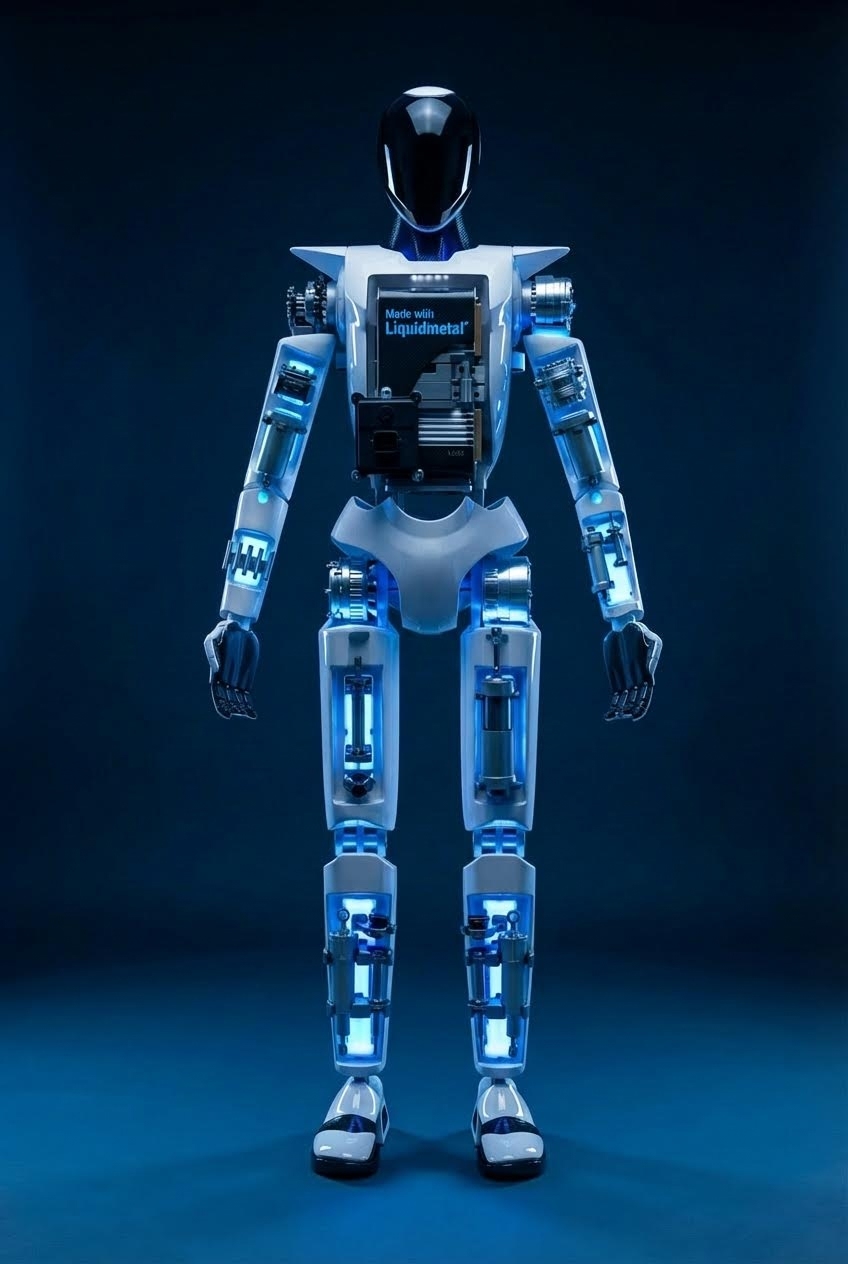
Wrist and Joint Plates
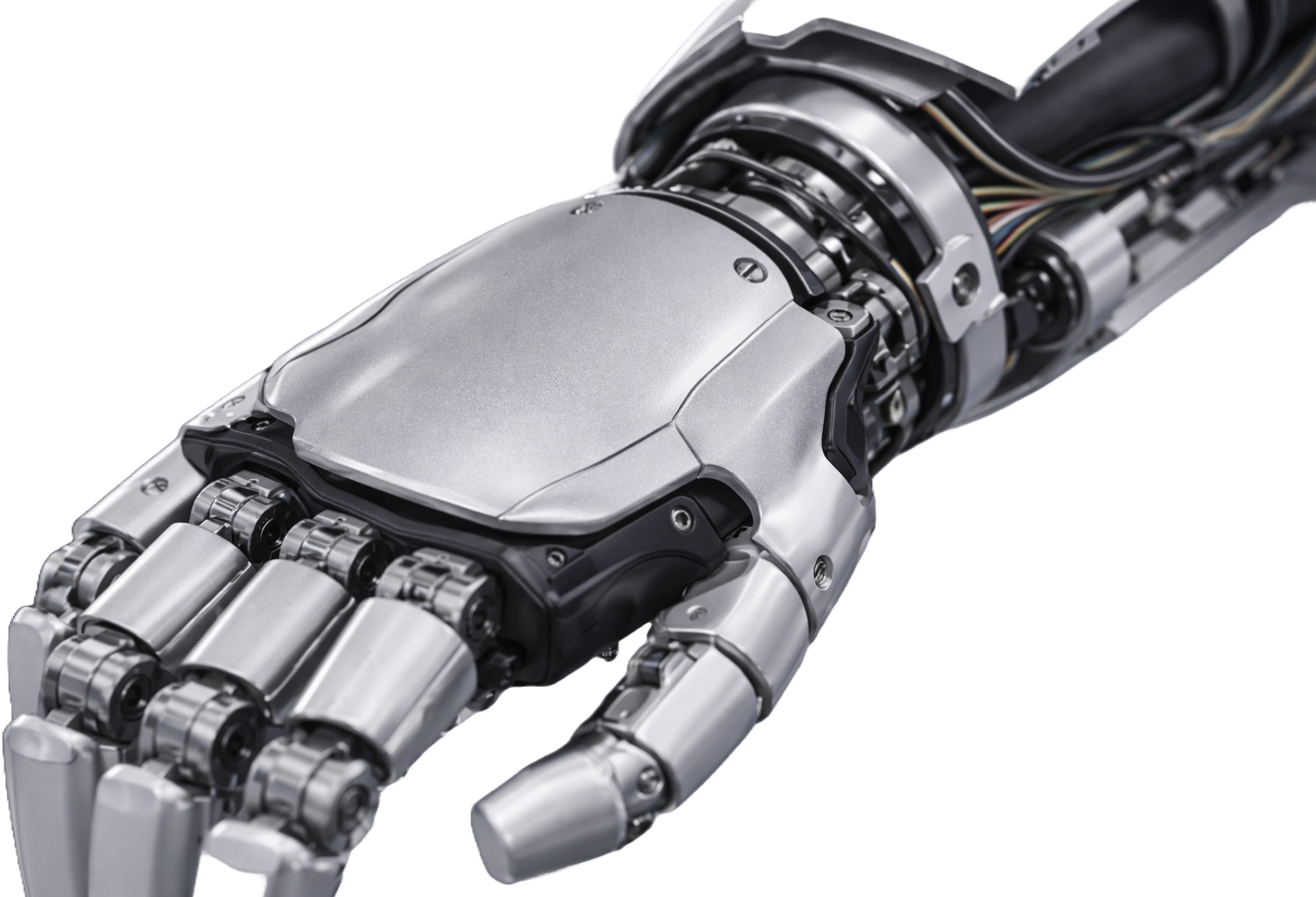
Flex Spline / Strain wave Gear
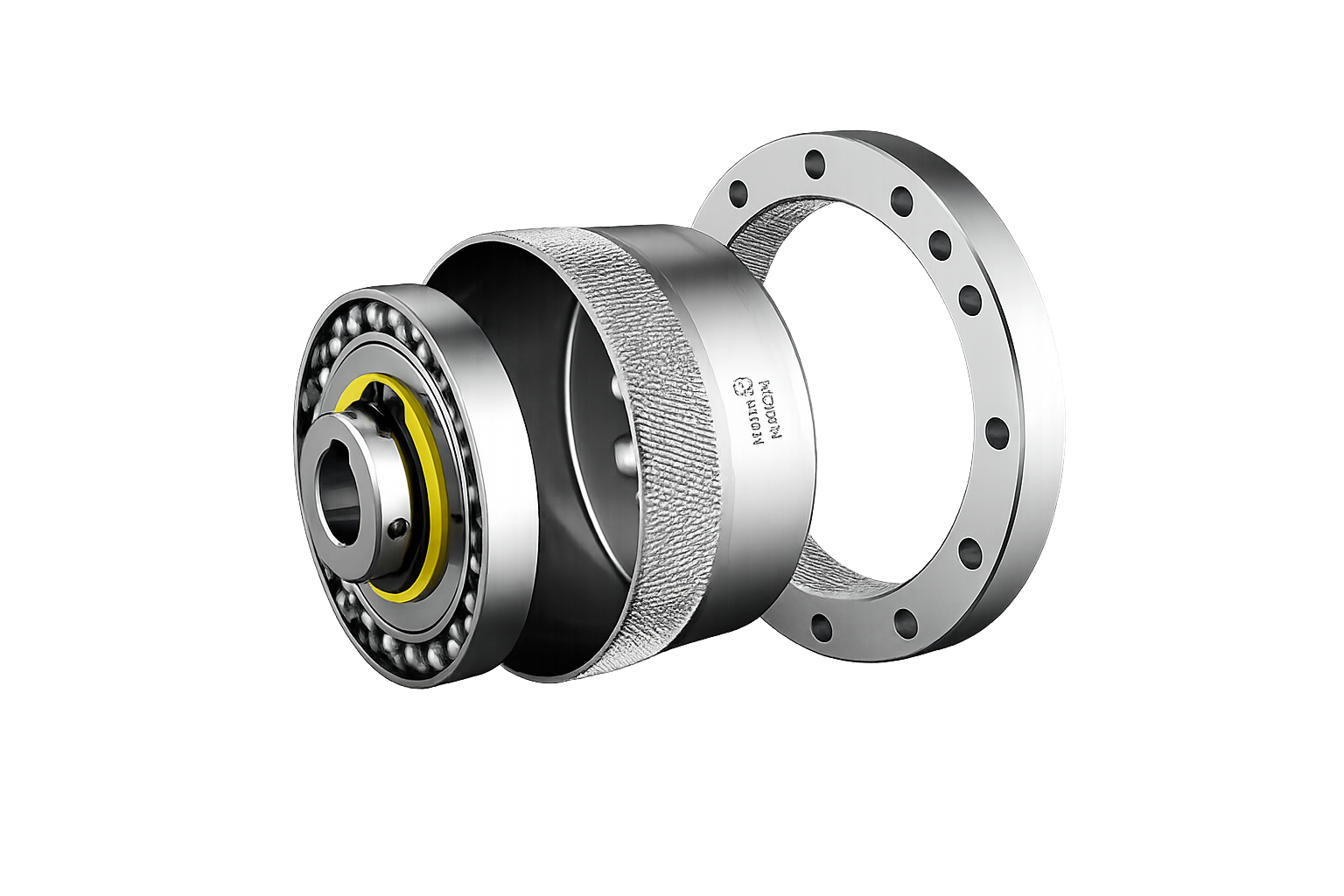
Ankle, Knee, or Wrist – Force/Torque Sensor
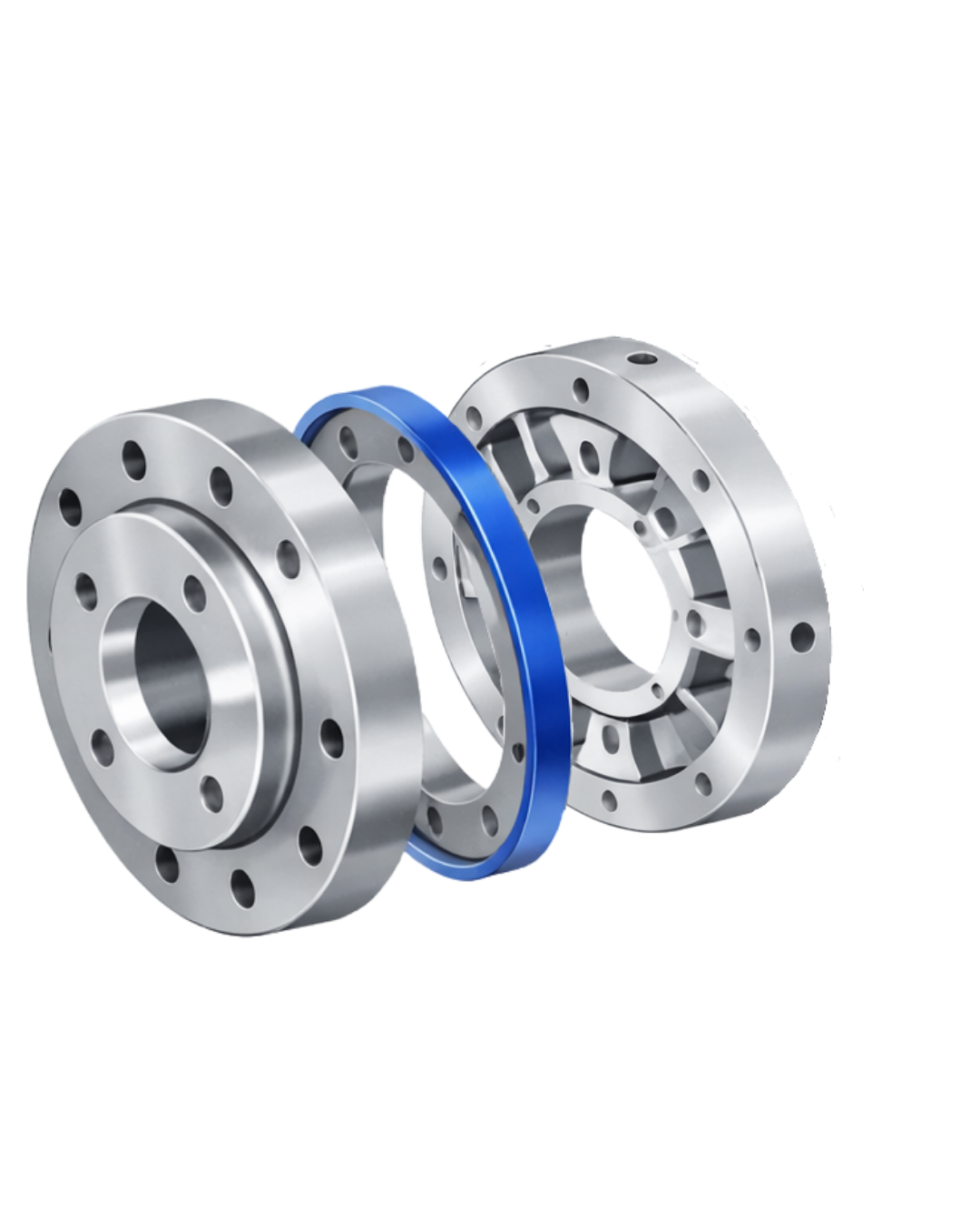
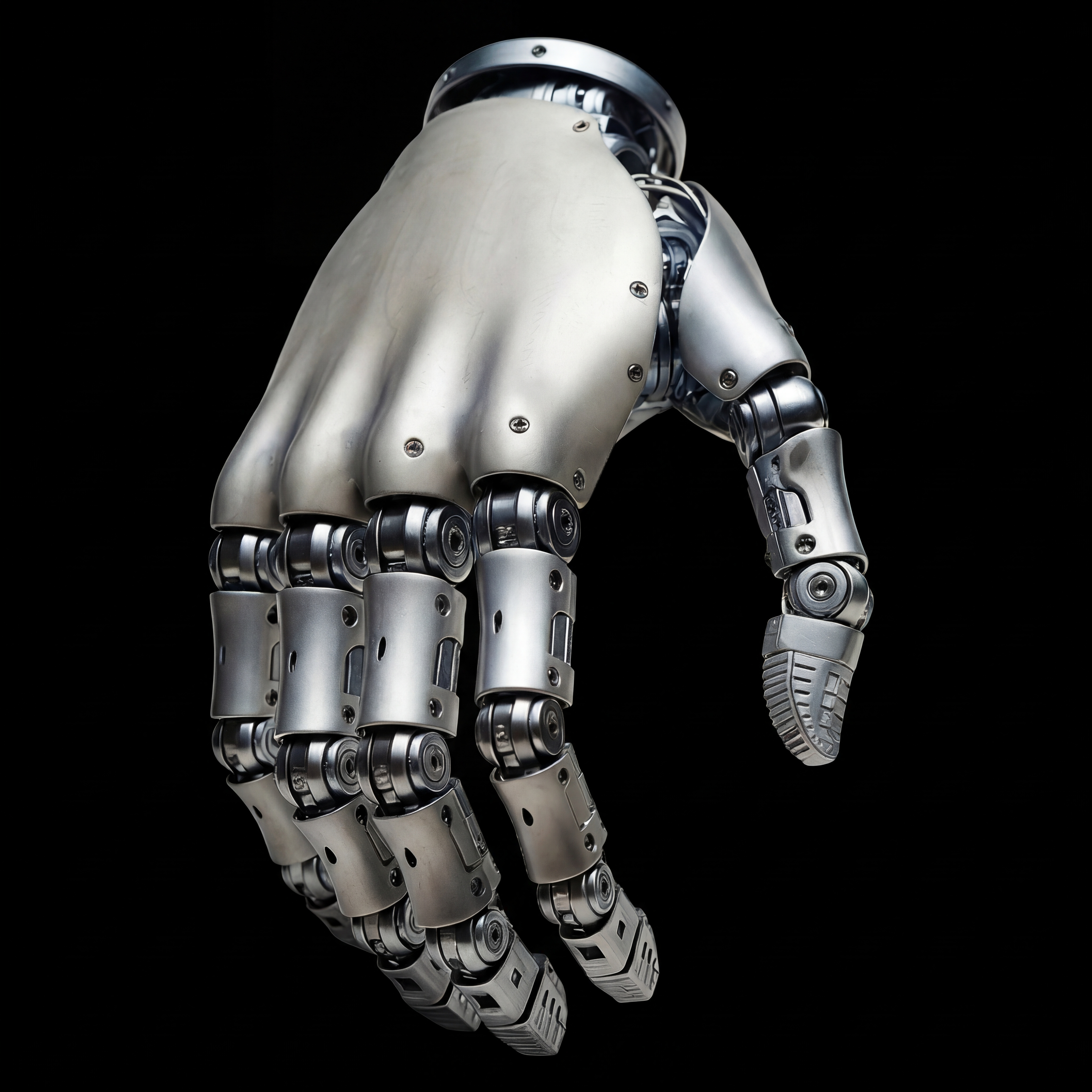
Finger Assembly
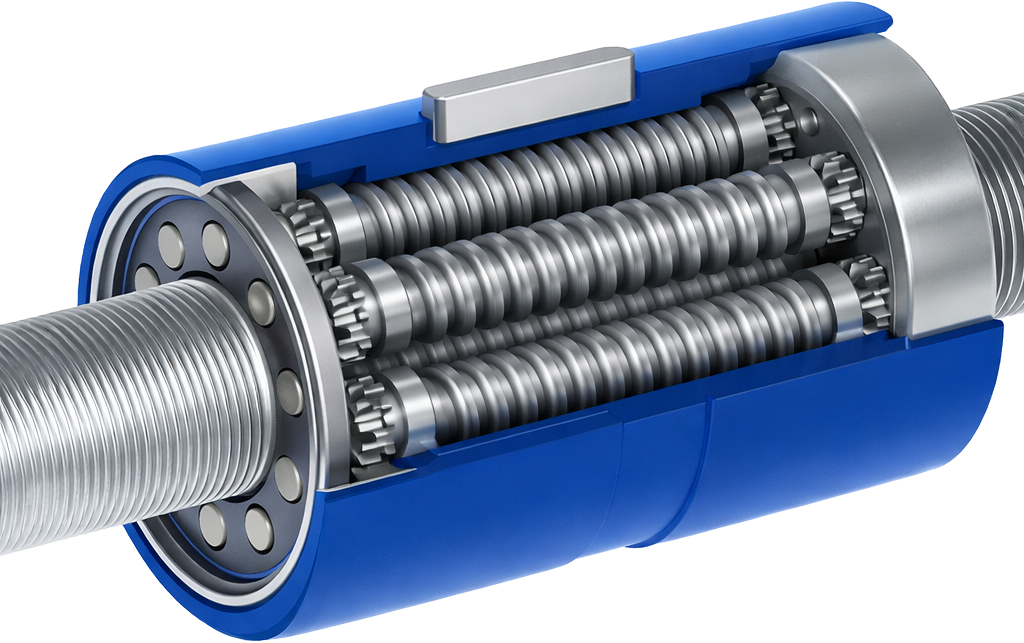
Roller Screw – Planetary Gear
Elbow – Gear Set
← Click the hotspots to see parts breakdown
Why Liquidmetal for
Humanoid Robots
Humanoid robots push materials and manufacturing to the limit. Joints need compact strength in tight spaces, fingers need human-like geometry with integrated linkages, and every gram matters when you scale to full-body motion. Liquidmetal offers a unique combination for humanoid robots:
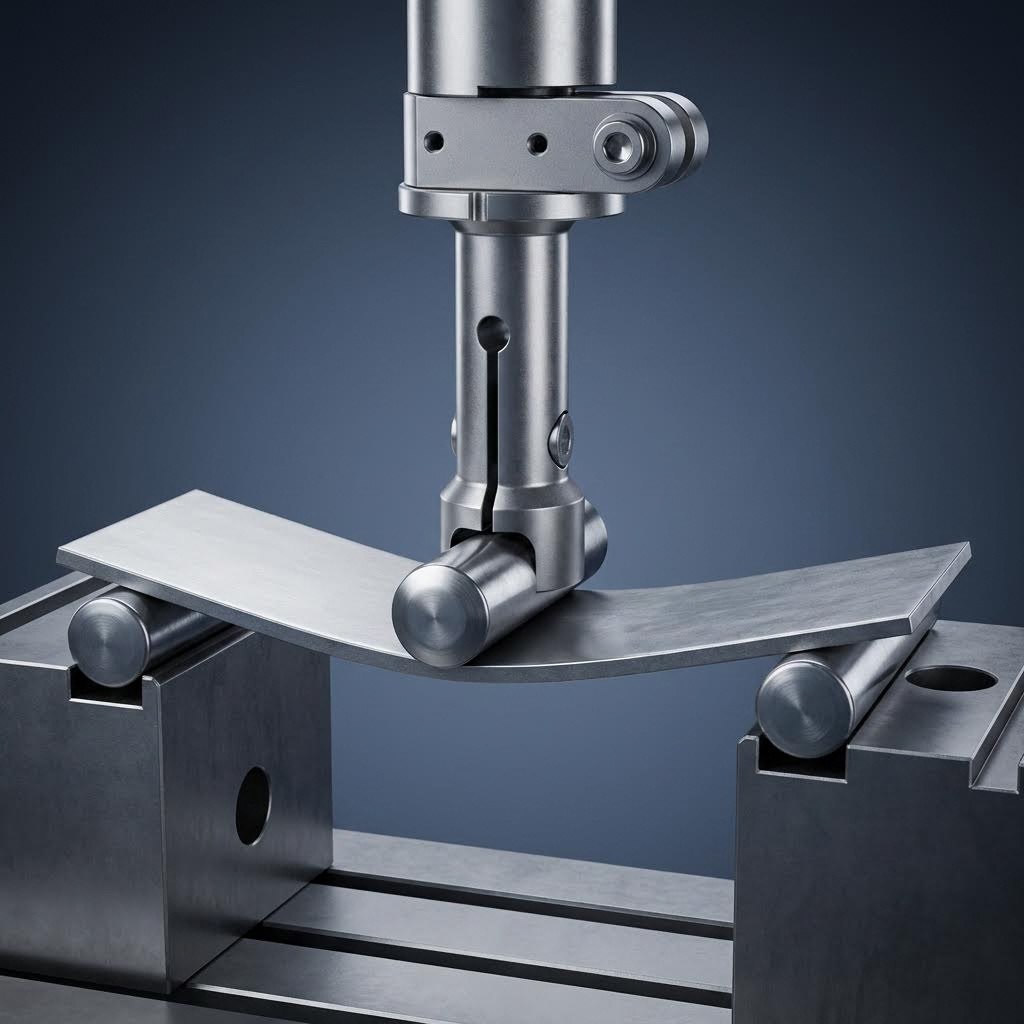
High strength and hardness
Bending strengths near ~2,000 MPa with excellent wear resistance directly out of the mold.
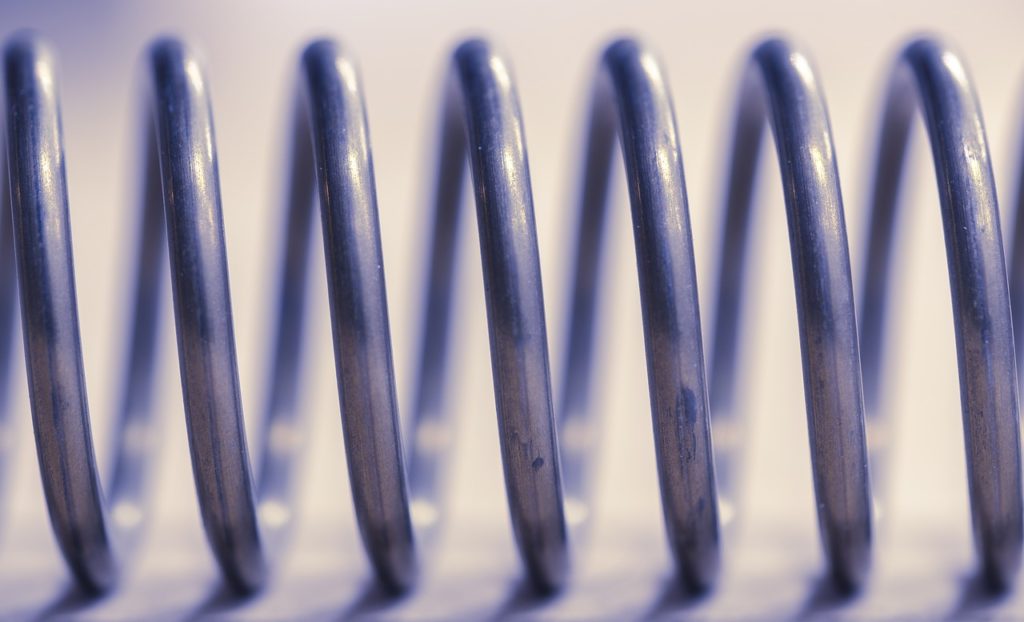
Elasticity with durability
Elastic strain limits ≥1.7% help components flex under load and recover without permanent deformation.
.jpeg)
Net-shape, complex geometries
Mold human-like surfaces, internal channels, and integrated features in one step.

Cost reduction vs. CNC
Replace costly multi-axis machining and secondary operations with multi-cavity molding at volume.
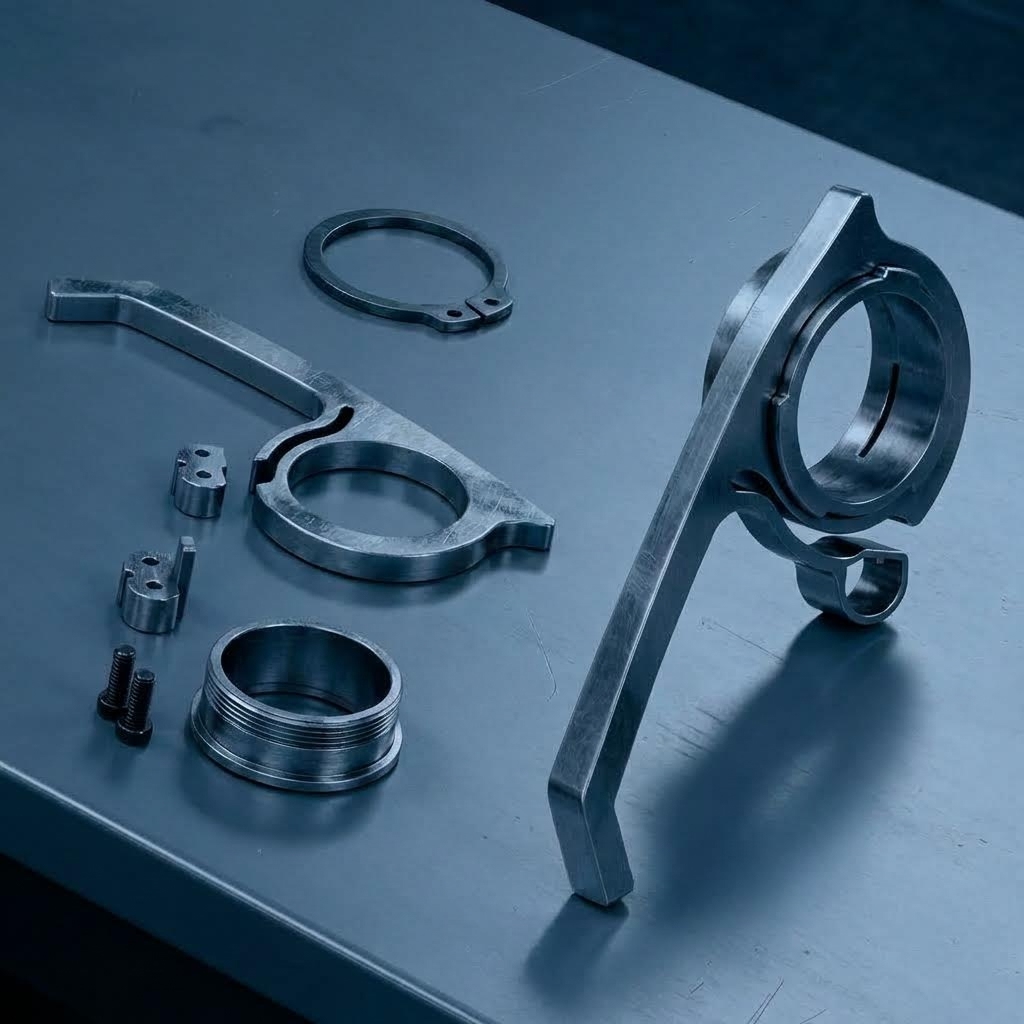
Combine multiple parts into one
Integrate pins, brackets, cable channels, and bearing surfaces into a single molded component.
Prototype with CNC.
Produce with Liquidmetal.
Many humanoid robot teams start with CNC machining or 3D printing to iterate quickly at low volume. It’s ideal for prototyping—but it rarely scales for production.
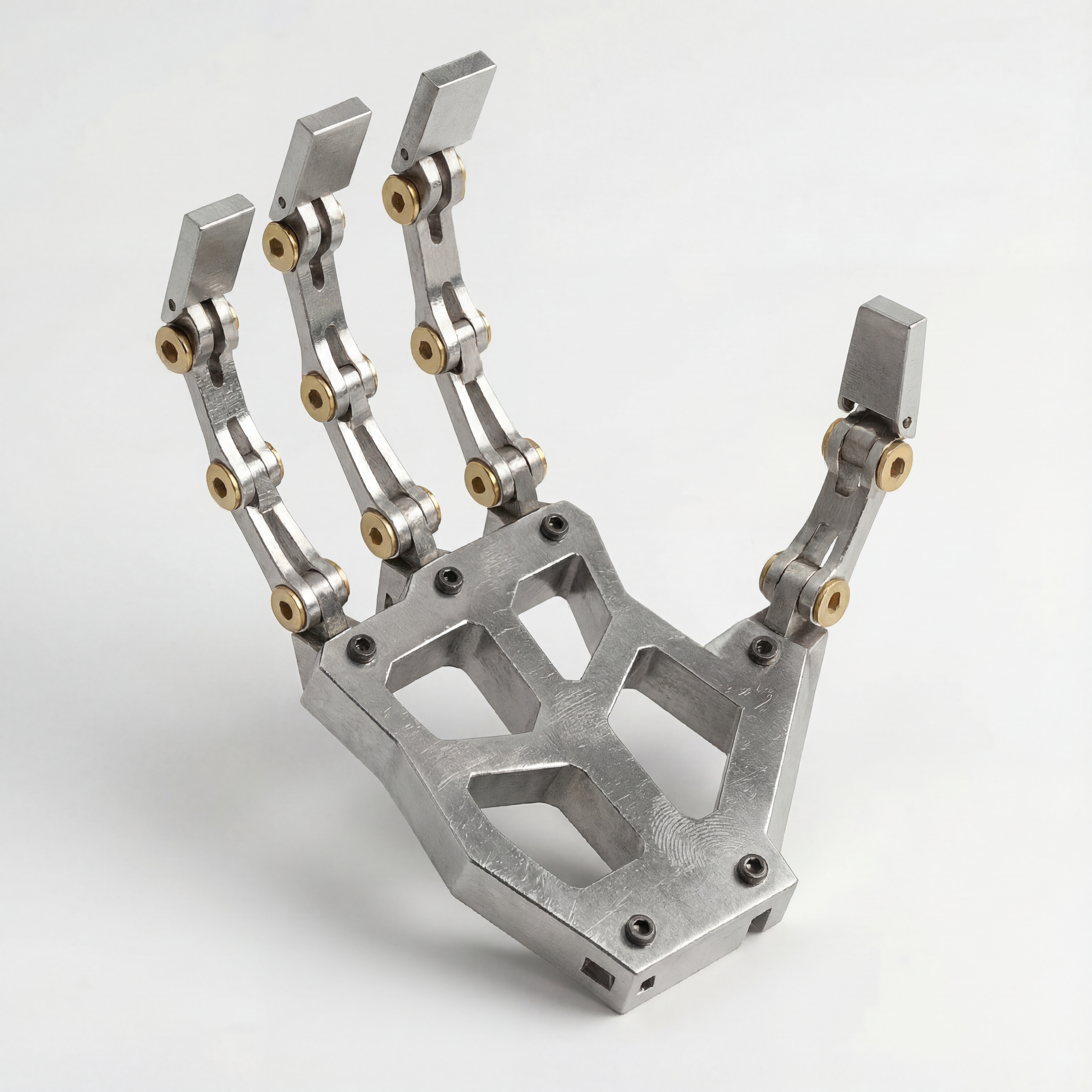
Prototype Stage (CNC or 3D printing):
• Rough Concepts
• Fast Iteration
• High Cost
• Low Volume
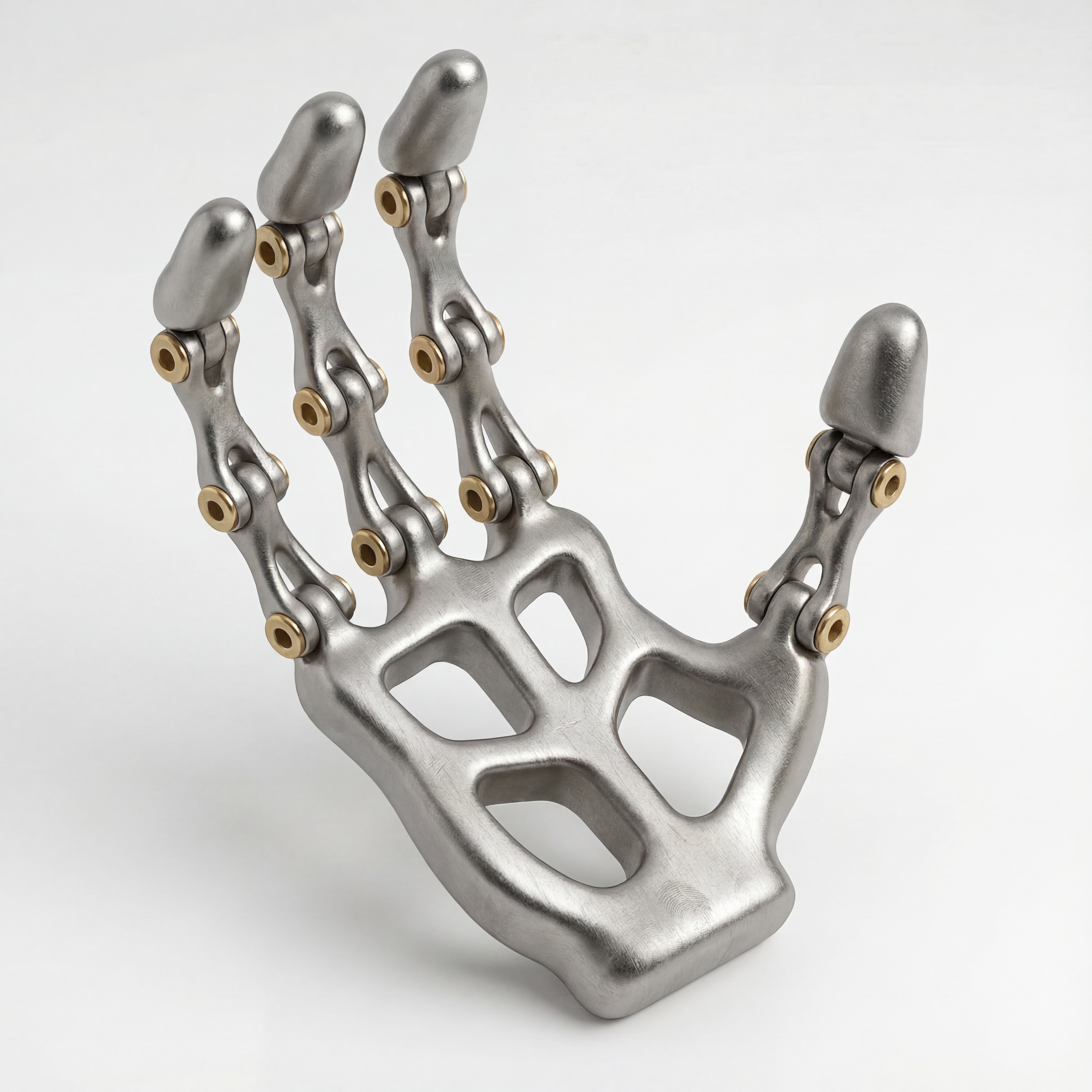
Production Stage (Liquidmetal):
• Net-shape molding with near-zero shrinkage.
• Refined, organic geometry that follows the human form.
• Multi-cavity tools to produce several parts per shot.
• Reduced cost per part.
• Increased capacity for millions of pieces annually.
Send us a 3D CAD model or even a screenshot, and we’ll provide a complimentary design-feasibility assessment for your humanoid robot components.